
I still remember the first time I stepped foot in Bicobian. It felt like we were entering a forgotten corner of the world—a small coastal cove in Divilacan, far from paved roads, cellphone signals, or even electricity. The place used to be a Navy base, but now it stands as a quiet sanctuary of sea and soil, and more recently, a home to visiting missionaries like us. I came here with Tatay Julio, my mission partner. He’s older, wiser, and stronger than many his age. Some say we’re an odd pair—me, the younger one still learning the ropes, and Tatay, a seasoned soul—but somehow we blend perfectly in the field. The Lord paired us well.
It was my first time rowing a pump boat with a rudder—and believe me, it’s not as easy as it looks! We went out fishing, and sometimes came back with empty hands. But Tatay would just smile and say, “That’s how it is, ‘nak (son). You learn to keep casting even when the nets come up empty.” Sometimes, the sea played rough—waves big enough to scare a beginner like me. But Tatay? He’d laugh and say, “Play with the waves, not against them.” And so we did.
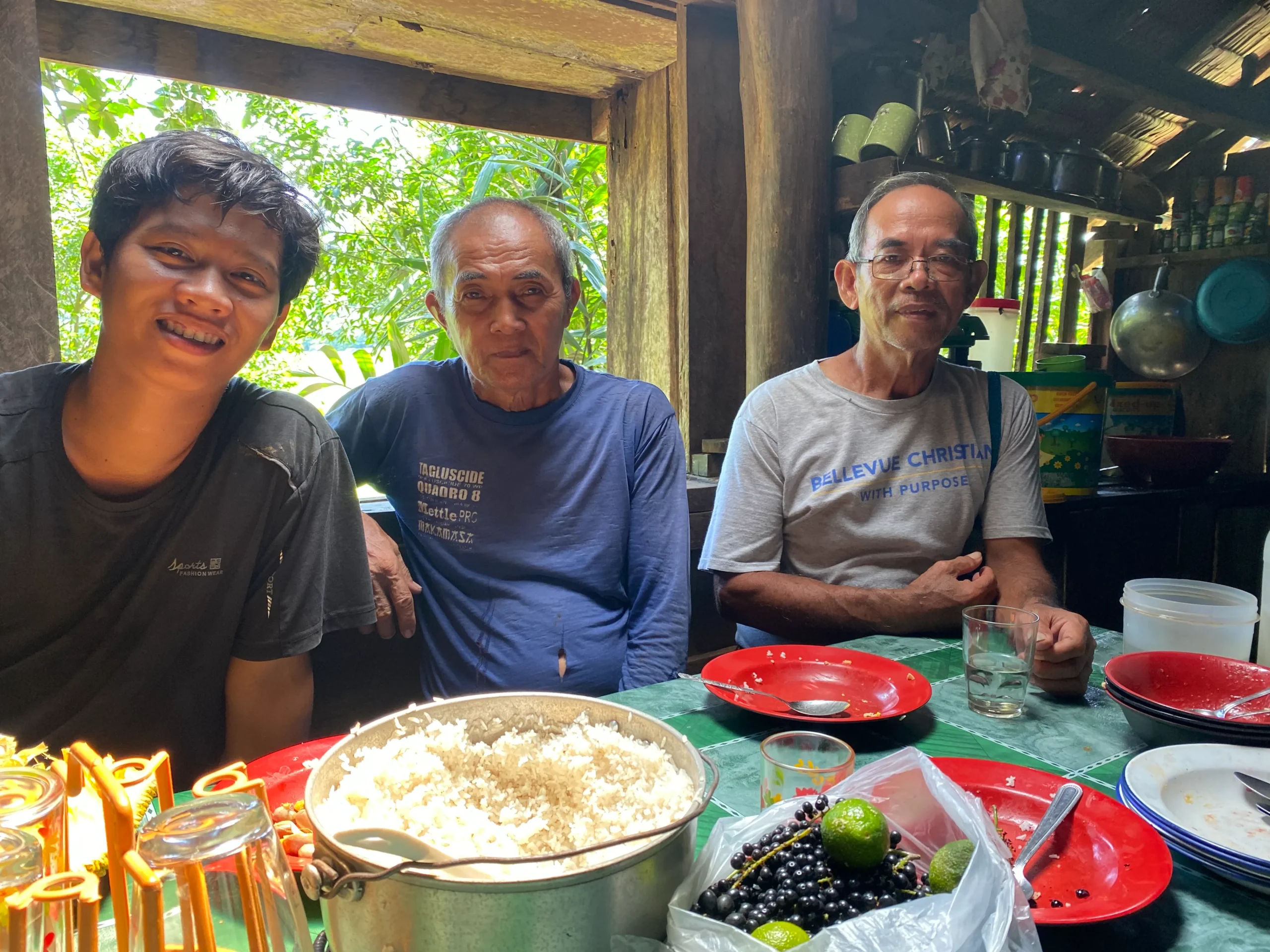
Fresh from the bugnay hunt! Tatay Virgilio(center) treats Jecan (left) and Tatay Julio (right) to a well-earned lunch– 25 liters bugnay fruit juice brewing soon for Sabbath potluck!
The People of the Cove
We met people who made us feel like family. Some were new settlers who decided to make Bicobian their home for good. One woman, whose husband is bedridden, works tirelessly to support them. The municipality gave her a fiber boat, and she uses it to earn a living from the sea. She’s one of the strongest women I’ve ever met. The Agta tribe here is also hungry not just for food but for the Word of God. Some of them had never heard that Jesus is coming back until we came. One old man, 70 years old, told us, “I go to church, but I never knew Jesus was returning.”


Bicobian may not have electricity, but it’s rich in nature’s gifts. If you’re diligent, you won’t go hungry. There are wild fruits like rattan and rambutan. They fish, yes—but also plant upland rice, galyang root, bognay fruit, jackfruit, bananas and even citrus trees, harvest seaweed, and sometimes barter for rice or other goods. People here are skilled. They make beautiful handicrafts—baskets, pot trivets, bilao woven trays, bags, mats, home decorations and fans—all from Sabotan a type of pandan plant and Nito fern vine as weavings. Everything is handmade, everything from the heart.
More Than a Catch
There were days we caught nothing. But I learned, being a fisher of men isn’t always about results—it’s about faithfulness. We kept sharing. We kept visiting homes. We prayed with people, worked with them, laughed with them. Then one day, Tatay Pabi, one of our new friends, finally caught a big blue marlin after days of nothing. He told us he had prayed because he saw how Tatay Julio and I depended on God. That day, he beamed with pride, and I knew he didn’t just catch a fish—he caught a glimpse of the Giver.
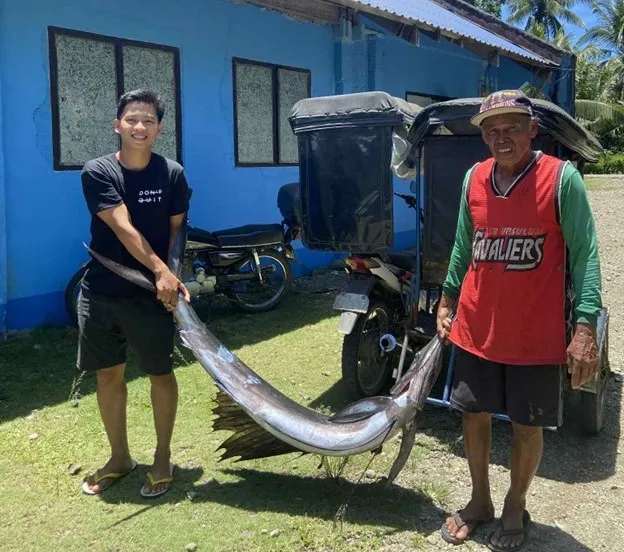
“Cast your net on the right side” and behold Tatay Pabi reeled in more than just fish…he caught a testimony!
Speaking of miracles—Elder William, one of the locals, was gored by a carabao. The police couldn’t believe he survived with only scratches. But he just smiled and said, “The Lord still needs me here.” That’s how people here are—strong, grateful, and resilient. When we shared our services, some thought it was only for Adventists. But the most powerful feedback we got was: “It’s good that you don’t pick whom to serve.” That line stayed with me.
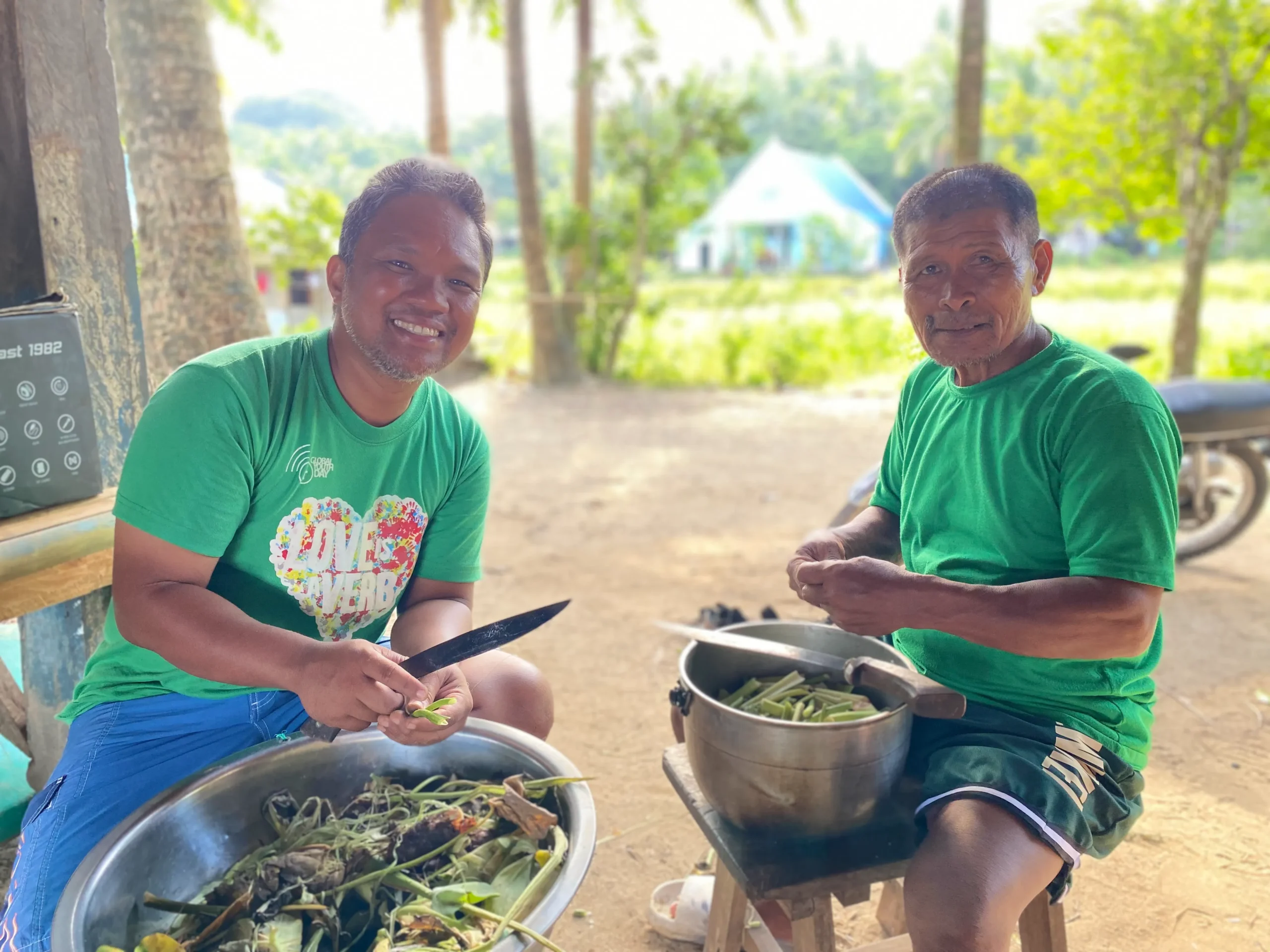
“Elder, this is ginataag gabi (roots with coconut milk), no fish added today!” Jam (PAMAS North Luzon mission field coordinator) teases as he teaches Elder Willie how to cook ginataan with no fish this time, just veggies.
Play With the Waves
Our journey wasn’t perfect. The sea was moody. The land was rough. The boat rides were long—2.5 hours from Maconacon or 30 minutes to Culasi, Palanan. But every wave reminded us of God’s calling. “In every age since the fall of Adam, the servant of God has sought to win souls to Christ. Every true disciple is born into the kingdom of God as a missionary.” — Ellen G. White, Christian Service, p. 9
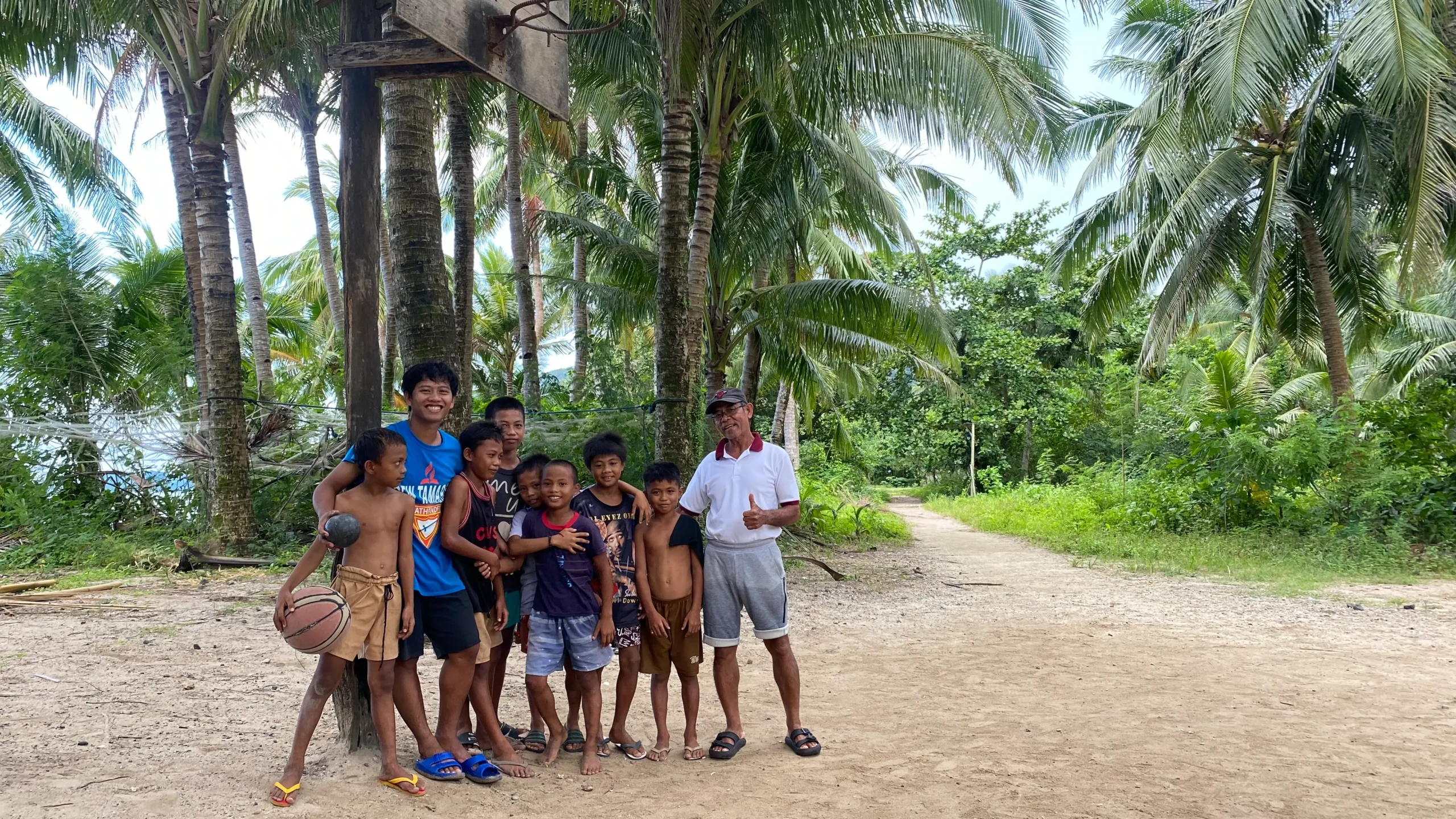
Bicobian’s version of basketball training; no court, no shoes – just sand , smiles and coach Tatay Julio with assistant Jec.
I came to Bicobian thinking I’d serve others, but I left being changed myself. This is my story. This is our story—mine and Tatay Julio’s—as fishers of men in a place where fish may be few, but hearts are many.
The name Bicobian comes from the word “cove”- a quiet, sheltered place where waters rest and life begins. Just like a cove protects the sea’s treasures, this place has become a refuge for hearts ready to receive love and truth. In this hidden corner of Divilacan, God is teaching us to cast not just nets, but compassion- to fill not just baskets, but souls.


