Two critically ill patients needed urgent evacuation from remote mountain villages in Palawan. Meanwhile, worsening weather threatened to close the only air pathway in.
For four long hours, the PAMAS medical team prayed and waited. Then God opened a narrow window through the clouds, allowing the team to reach both patients just in time.
This story reminds us why PAMAS urgently needs mission-minded pilots and mechanics to keep these life-saving operations running.
A Morning Emergency
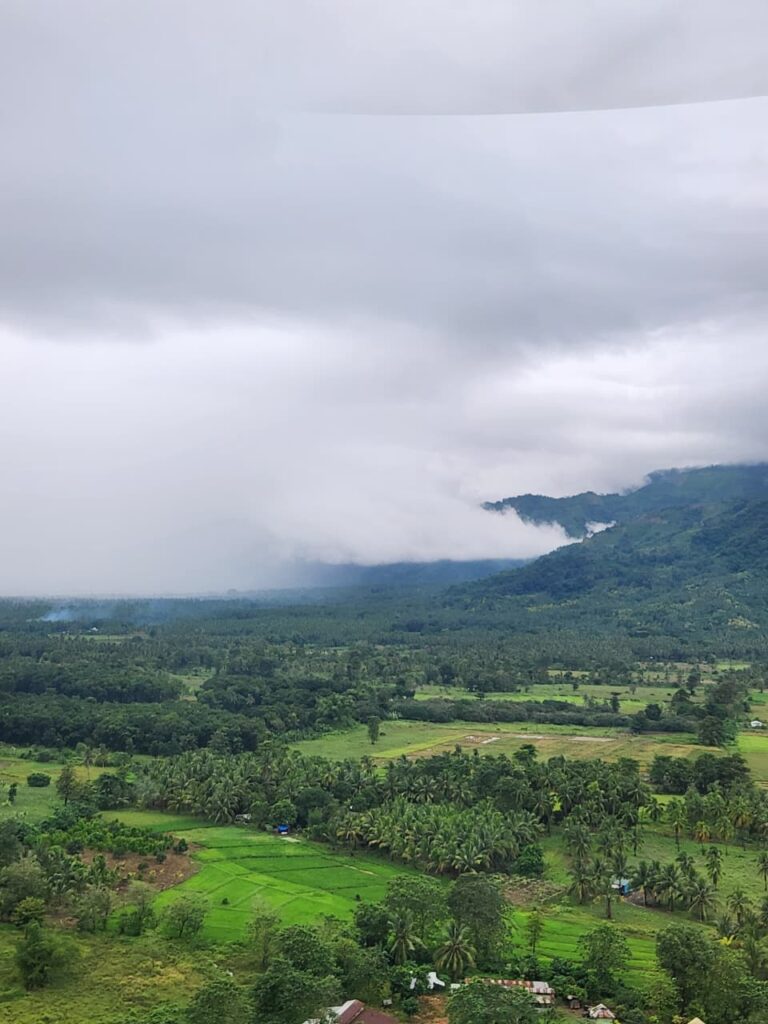
I anxiously waited for the pilot to respond to my request for a medical evacuation. One look toward the mountains told me the weather was closing in fast. To make matters more complicated, the pilot needed to leave for Puerto Princesa that day to catch an international flight the next morning.
“Lord, please help all the pieces fall into place,” I prayed.
Just before 7 a.m., a message came from the Adventist Frontier Mission outpost in Kamantian. They had two urgent patients.
The first patient, a woman, had grown progressively weaker. Swelling covered her body, and itchy boils covered her skin. By then, she could no longer sit or stand without help.
The second patient, a man with tuberculosis, had stopped taking his medication for more than a week. Now he was swollen, struggling to breathe, and too weak to sit upright. The team feared fluid was building in his lungs again.
Both needed oxygen.
Both needed nurses.
Both needed immediate transport.
Weather Delays the Mission
Because the pilot’s schedule was tight and storm clouds were moving over the mountains, I asked the other flight nurse to join me so we could make the flight more efficient. She agreed without hesitation.
Our plan was simple but urgent: pick up the first patient in Emrang, fly her to the hospital, and then send the pilot and second nurse back immediately for the second patient.
After receiving weather updates from the outpost, the pilot agreed to attempt the flight.
We packed our supplies quickly. Then, when the pilot arrived, we paused to pray together.
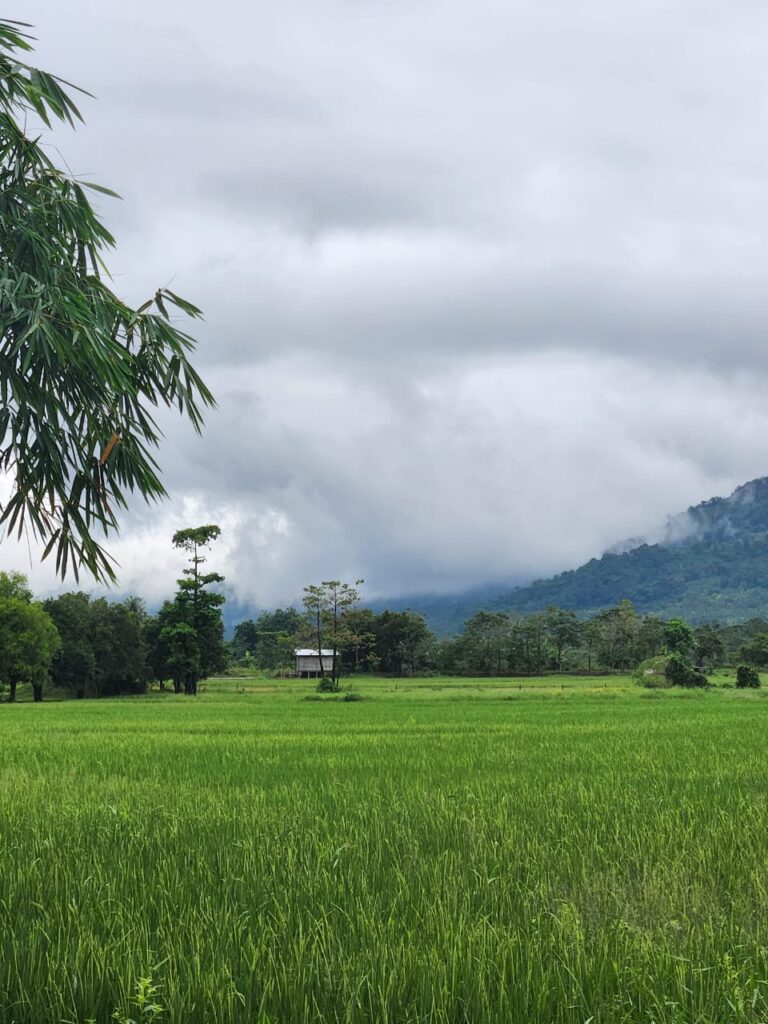
As we approached the Emrang valley, clouds squeezed the only safe path between the mountains.
“We’re going to have to divert and wait it out,” the pilot announced.
We knew he had made the right call. Still, our hearts sank.
Praying for an Opening
So we prayed again—for a window, for safety, and for the patients who continued to wait and weaken.
One hour passed.
Then two.
Then three.
Then four.
Finally, the clouds began to lift.
And by God’s grace, so could we.
An Answer Through the Clouds
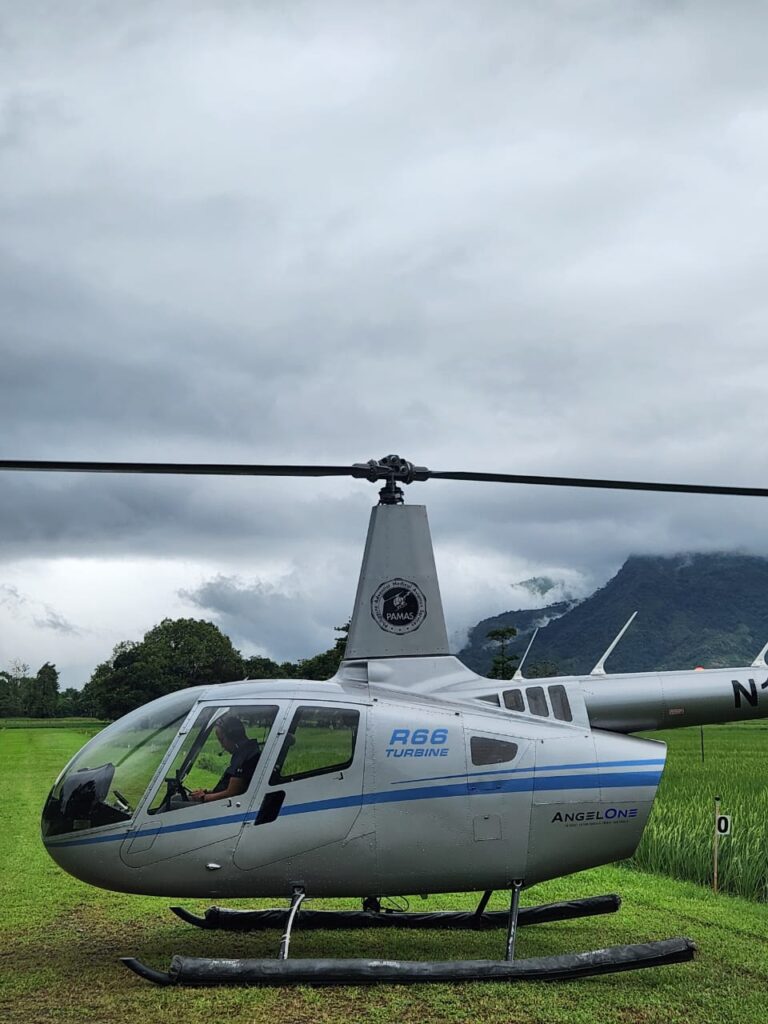
We lifted off immediately and reached Emrang just in time. The team quickly loaded the first patient and her companion. After we dropped her at the hospital, the second nurse and pilot flew on to the next village.
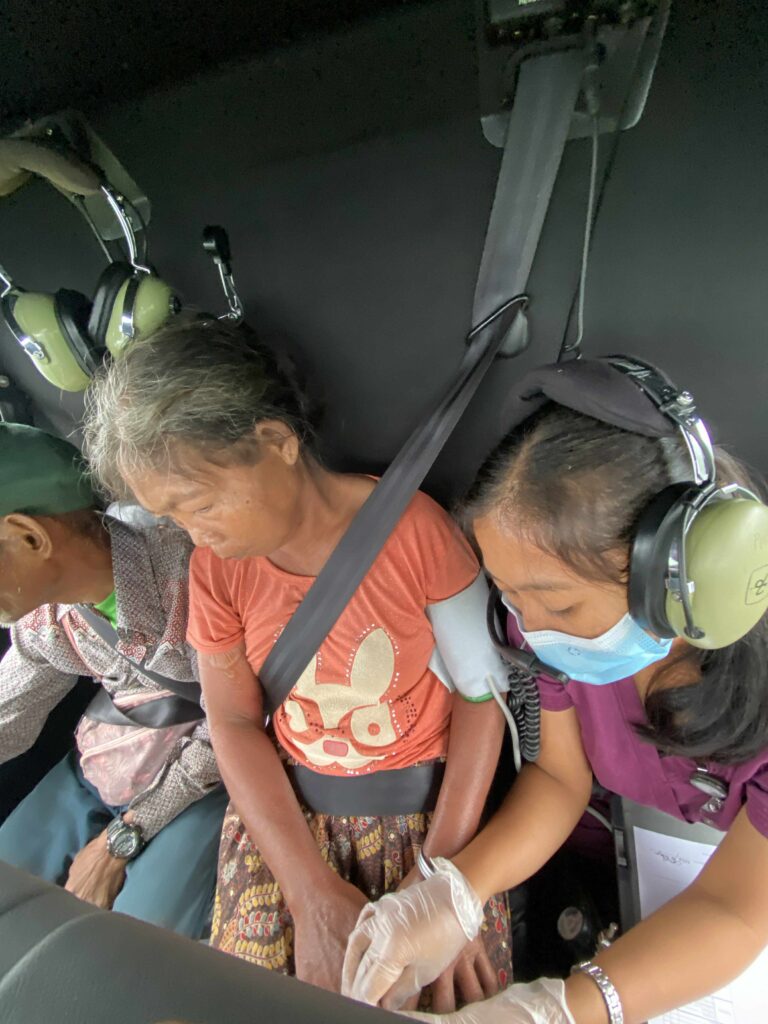
When they arrived, a crowd met the nurse—but the patient was nowhere in sight. After a few tense moments, the villagers pointed her toward a small hut.
Inside, a man lay on the floor, breathing rapidly. His oxygen level had dropped dangerously low, and he could not walk.
Without hesitation, a strong villager hoisted him onto his back and carried him to the helicopter. Once the nurse started oxygen, his breathing began to ease. By the time they reached the hospital, he was alert enough to help move himself out of the aircraft.
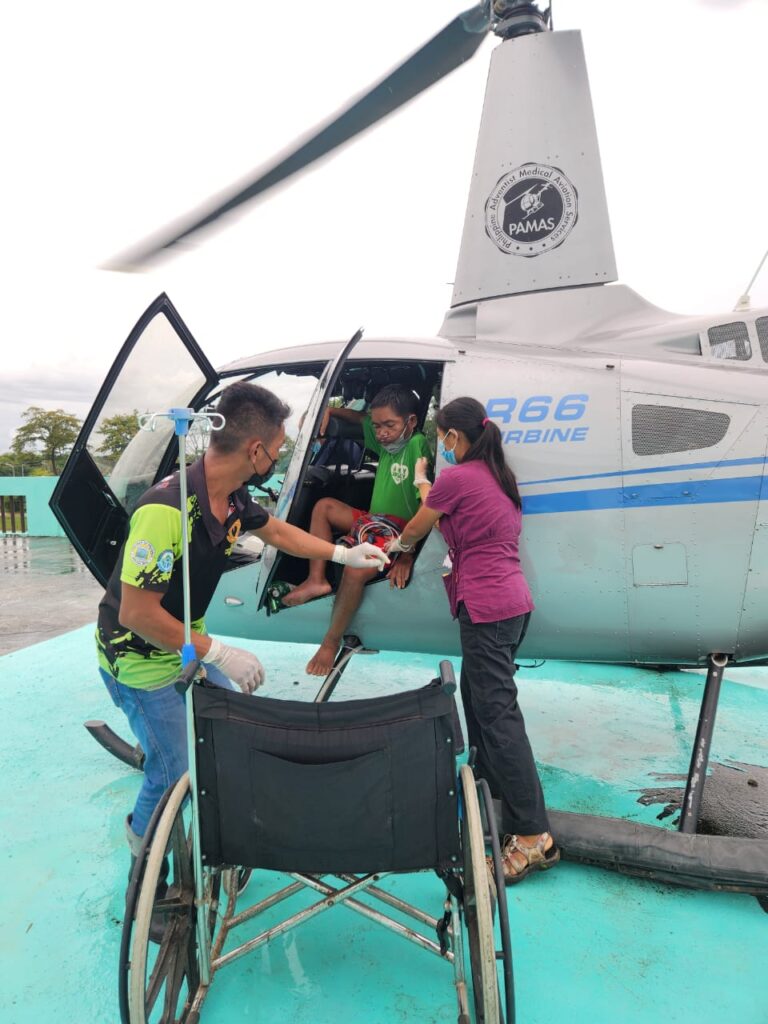
When the Helicopter Can’t Fly
That day, we praised God for opening a way through the weather. However, not every story ends this way.
When weather, maintenance needs, or lack of crew keeps the helicopter grounded, patients must be carried four to six hours down steep, slippery mountain trails. Some survive the journey. Others do not.
We Need Help to Keep Saving Lives
PAMAS urgently needs mission-minded pilots and mechanics to keep these lifelines open.
If God is calling you—or someone you know—to use aviation or mechanical skills for eternal impact, we would love to hear from you.
Your hands could be the ones God uses to open the way for the next patient waiting in the mountains.


