
At PAMAS Palawan, a missionary discovered how simple acts of love could bring healing far beyond physical wounds.
Something Was Wrong
The food was ready, but something was wrong.
Nanay Joning and Tatay Menlito didn’t want to eat. They could hardly look at each other.
Felisa, a missionary at PAMAS Palawan, soon discovered that the elderly couple had been arguing.
She had spent weeks helping them with their daily needs. But how could she help them through this?
A Door Opens
Felisa first learned of the couple’s needs when an elderly woman approached her at a funeral. Recognizing Felisa from a previous lifestyle program, she asked for help.
Felisa wasn’t sure what she could do. Together with another missionary, she prayed with the family.
Nanay Joning, 60, had suffered from painful wounds on her feet for five years. Her condition was worsening, and she could hardly walk without her daughter’s assistance.
Her husband, Tatay Menlito, 75, had his own health challenges, including a history of tuberculosis and difficulty walking. Their living conditions made recovery even more difficult.
Felisa consulted the medical team, and they prayed about how best to help. When a room became available at the lifestyle center, the couple was invited to stay.
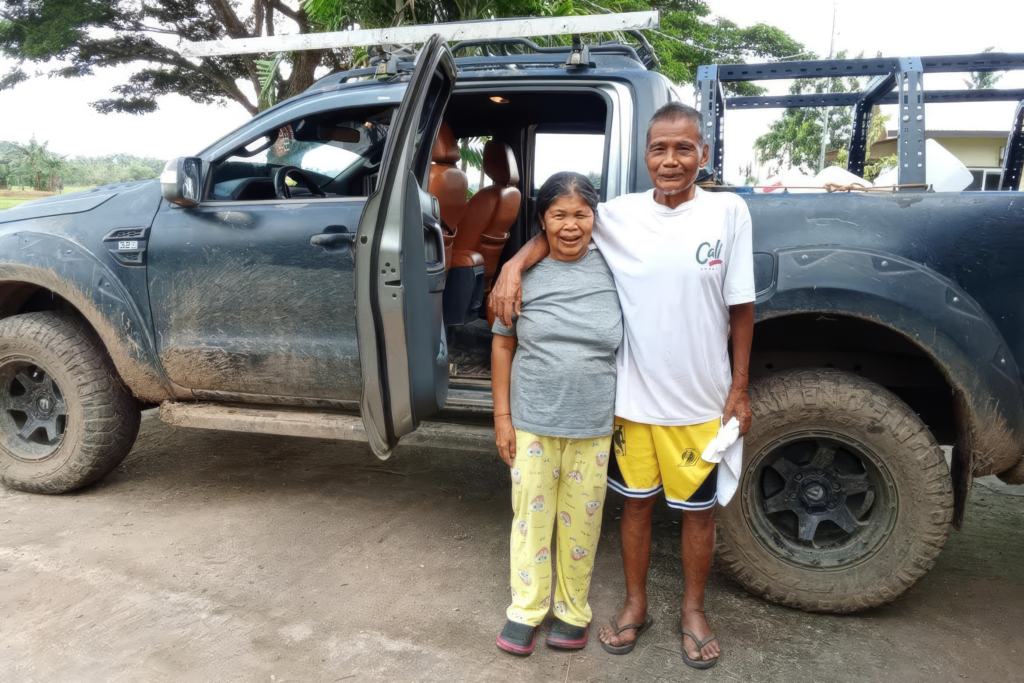
Felisa began helping with their meals, household chores, and daily care.
Healing in Unexpected Ways
Progress was slow. After years of illness, the couple sometimes wondered whether healing was even possible. Felisa struggled with the same uncertainty.
“The biggest challenge is doubt,” she admitted.
But little by little, she began noticing changes beyond their physical condition.
The couple was learning to express love through simple words like “I love you,” a hug, or a kind gesture. Smiles began replacing discouragement, and affection grew.
Through morning and evening worship, prayer, and daily interactions, Felisa encouraged them to look to Jesus. Their physical health also began improving.
“It was not me who was healing them,” she explained. “I was just there assisting with simple household chores.”
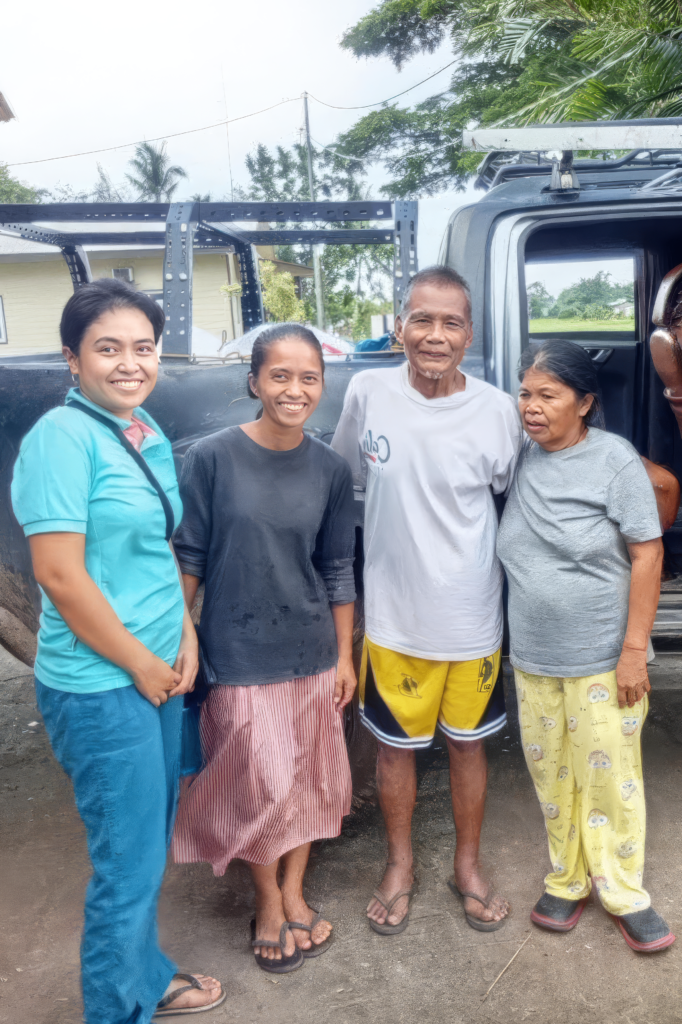
She was reminded of the promise in 1 Corinthians 15:58 that our labor is not in vain in the Lord.
Learning to Love
Felisa’s own missionary journey had not been without difficulties. After serving at a mission school in northern Luzon, she experienced a tragedy that deepened her dependence on God and helped her understand His care as a loving Father.
Through these experiences, she had come to appreciate Jesus’ promise: “Lo, I am with you alway, even unto the end of the world.” (Matthew 28:20)
After six years at PAMAS Palawan, she had seen His love revealed through ordinary acts of service.
Cooking a meal. Helping someone walk. Sharing a Bible promise. Encouraging forgiveness.
Felisa had learned that love was more than a feeling.
“It’s not a feeling. It’s a principle,” she shared.
And sometimes, putting that principle into practice was not easy.
More Than Physical Healing
That day when Nanay Joning and Tatay Menlito refused to eat, Felisa encouraged them to talk and pray, giving them time to work through their disagreement before gathering for worship.
Together, they opened God’s Word and talked about forgiveness. Just as Jesus had forgiven them, they needed to forgive each other.
It was not enough simply to understand what the Bible taught. They needed to put it into practice.
And they did.
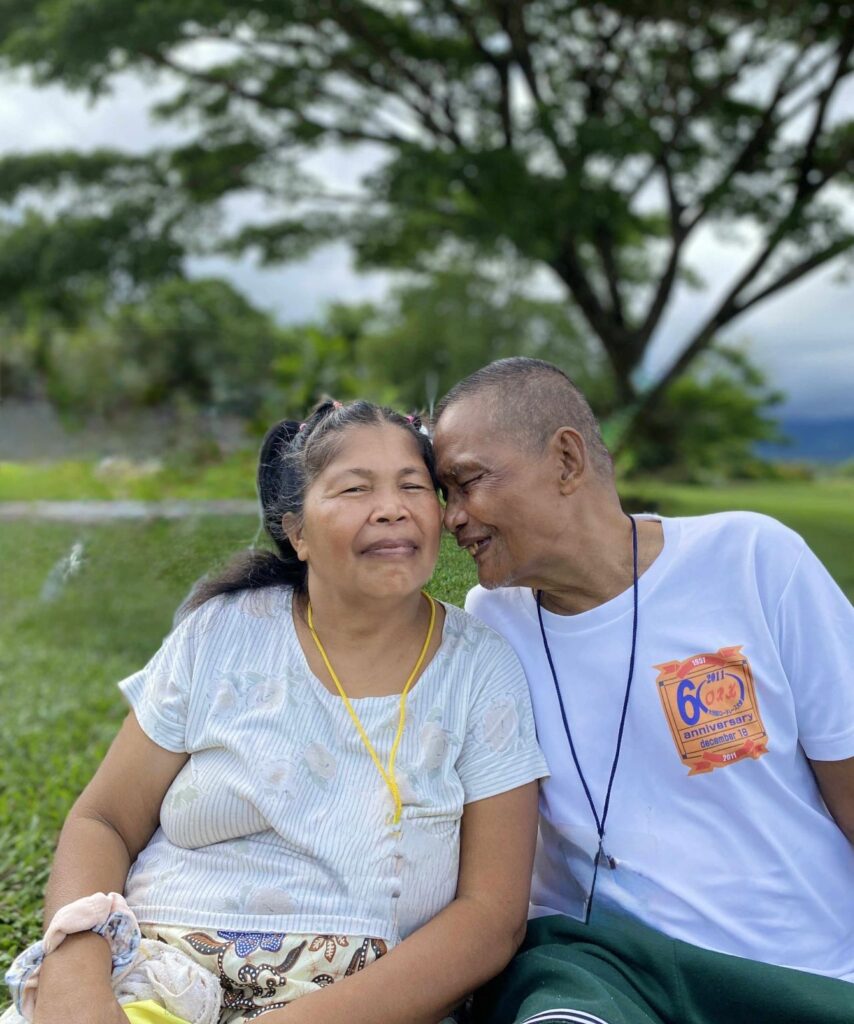
The couple reconciled, and their relationship continued to grow.
For Felisa, it was another reminder that God’s healing reached beyond the physical. Through prayer, forgiveness, and simple expressions of love, she had witnessed changes that medical treatment alone could never accomplish.
When Felisa first began caring for Nanay Joning and Tatay Menlito, she had simply wanted to help them regain their health. But somewhere along the way, the relationship had grown into something much more.
“We are one in Christ,” she explained.
They were no longer just patients in her care. They had become family.


